
Introduction: Why Equity Research Matters
Every day, millions of investors participate in the stock market, yet only a small percentage truly understand what they own. Most decisions are driven by news headlines, social media opinions, or short-term price movements.
Equity research exists to bring clarity, logic, and discipline into this chaos. It helps investors move from guessing to reasoning, and from reacting emotionally to acting deliberately.
What Is Equity Research? (Simple Definition)
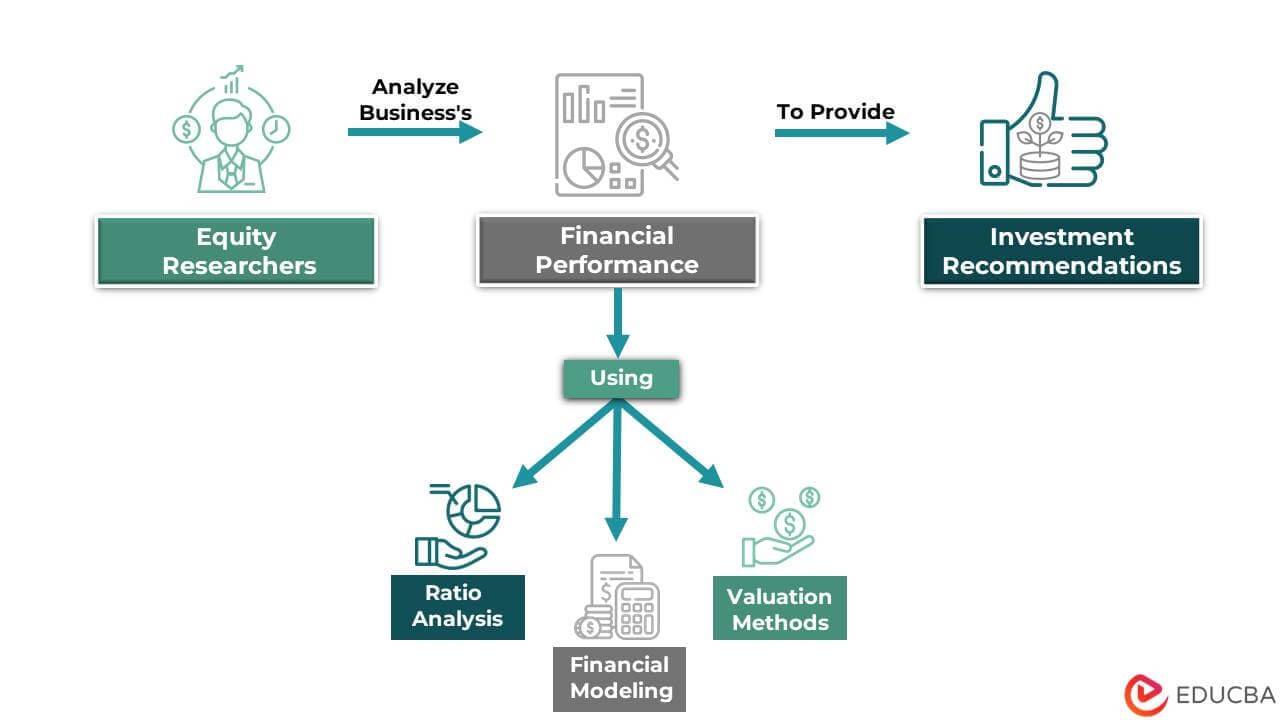
Equity research is the structured process of studying a company to understand its business, financial health, growth potential, and risks. The goal is to determine whether investing in that company makes sense at the current price.
In practical terms, equity research answers a very simple but powerful question:
“Is this business worth my money, at this price, for the time I plan to invest?”
What Equity Research Is NOT
Equity research is often misunderstood, especially by beginners entering the stock market. Many confuse it with quick stock recommendations or short-term trading strategies.
Equity research is not about daily price predictions, WhatsApp tips, or chasing trending stocks. It is a slow, thoughtful process focused on understanding businesses rather than predicting short-term movements.
Why Equity Research Is Important
Without equity research, investing becomes speculation, where outcomes depend more on luck than logic. Investors often panic during market falls because they do not understand what they own.
With proper equity research, investors gain confidence in their decisions. This confidence helps them stay invested during volatility, avoid emotional mistakes, and benefit from long-term wealth creation.
Who Uses Equity Research?
Equity research is used by a wide range of market participants, not just professionals. Individual retail investors use it to make informed personal investment decisions.
Large institutions like mutual funds, pension funds, and insurance companies rely heavily on equity research to protect capital and generate steady returns over long periods. The difference lies in depth, not purpose.
Core Components of Equity Research
Equity research is built on four core pillars. Each pillar plays a critical role, and ignoring any one of them leads to incomplete analysis.
1. Business Understanding
Business understanding is the foundation of equity research. Before looking at numbers, an investor must clearly understand what the company does and how it operates.
This includes knowing what products or services the company sells, who its customers are, how it earns revenue, and what makes it different from competitors. Without this clarity, financial analysis becomes meaningless.
2. Financial Analysis
Financial analysis involves studying a company’s historical and current financial performance. This helps assess whether the business is stable, improving, or deteriorating over time.
Key areas include revenue growth, profit margins, cash flow generation, debt levels, and returns on capital. The purpose is not to memorize ratios, but to understand the financial story behind the business.
3. Valuation
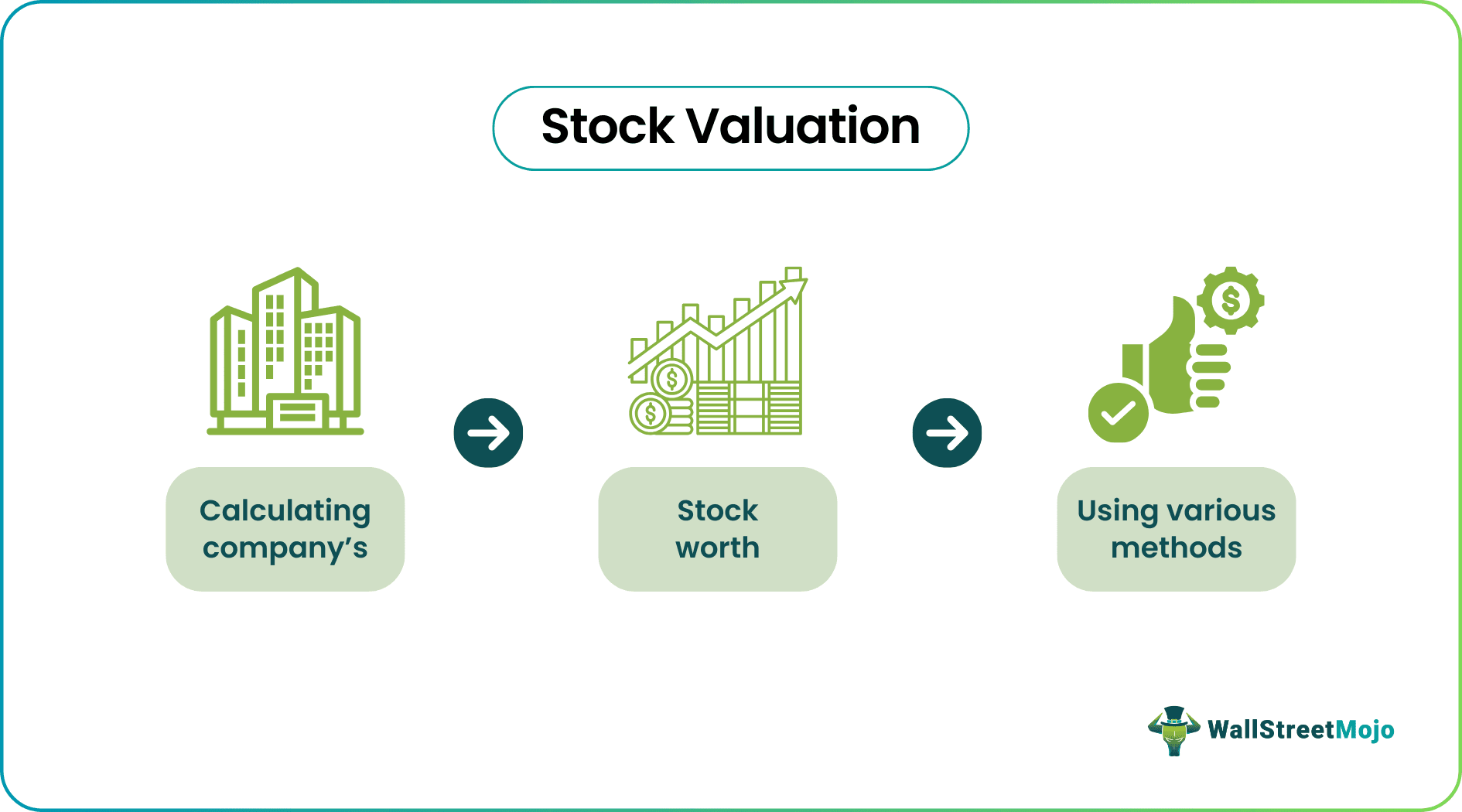
Valuation helps determine whether a company’s stock price is reasonable compared to its business quality and future potential. A great business can still be a poor investment if bought at an excessive price.
Through valuation, investors compare current market price with estimated intrinsic value. This step introduces discipline and prevents overpaying during periods of market optimism.
4. Risk Analysis
Every business carries risks, and equity research aims to identify them before investing. Risks can arise from competition, regulation, debt, management decisions, or changes in customer behavior.
Understanding risks does not mean avoiding all of them. Instead, it helps investors decide whether the potential reward justifies taking those risks.
Types of Equity Research
1. Fundamental Equity Research
Fundamental equity research focuses on analyzing the core business and its financial strength. It looks at long-term growth drivers rather than short-term price movements.
This approach is best suited for long-term investors who aim to build wealth gradually through ownership of strong businesses.

2. Technical Analysis (Often Confused with Equity Research)
Technical analysis studies stock price movements, chart patterns, and trading volumes. It does not evaluate the underlying business or financial performance.
While technical analysis can be used alongside equity research, it cannot replace the need to understand the business itself.

3. Sell-Side vs Buy-Side Research
Sell-side research is produced by brokerage firms and is widely available to the public. These reports often focus on price targets and short-term outlooks.
Buy-side research is conducted internally by investment funds for their own decision-making. It is usually deeper, more conservative, and focused on long-term capital protection.
Equity Research for Beginners: Where to Start
Beginners should start by learning how businesses make money rather than jumping into complex valuation models. Reading annual reports slowly and patiently builds a strong foundation.
It is better to deeply analyze one company than superficially study ten. Over time, this habit builds analytical thinking and confidence.
Equity Research at an Advanced Level
At advanced levels, equity research goes beyond numbers and ratios. Investors begin analyzing competitive advantages, industry structures, and long-term sustainability.
This stage also involves evaluating management quality, capital allocation decisions, and the ability of the business to compound wealth over many years.
Common Mistakes in Equity Research
One common mistake is becoming overconfident after limited research. Another is blindly trusting analyst opinions without independent thinking.
Investors also often ignore debt, cash flow, or management risks. Good equity research requires humility, patience, and continuous learning.
Can Equity Research Guarantee Profits?
Equity research does not guarantee profits, and it never eliminates uncertainty. Markets are influenced by many unpredictable factors beyond analysis.
However, equity research significantly improves decision quality. It reduces the chances of permanent capital loss and increases the probability of long-term success.
Final Thoughts: Equity Research Is a Skill, Not a Shortcut
Equity research is not about being right every time or predicting the market perfectly. It is about thinking clearly and making informed decisions repeatedly.
Over time, disciplined equity research transforms investing from an emotional activity into a rational, structured process. That is where long-term wealth is built.
What’s Next on EquiDeck?
In upcoming articles, we will explore how to read financial statements, analyze companies step by step, and apply equity research to real businesses.
This article forms the foundation. Everything that follows will build upon this way of thinking.


0 Comments