
How to Compare Stocks Without Overthinking Numbers
Introduction: Why Relative Valuation Matters
Absolute valuation (like DCF) asks, “What is this company worth?”
Relative valuation asks a simpler, often more practical question:
“Is this company expensive or cheap compared to similar companies?”
Markets often price stocks relative to peers, not in isolation.
Understanding relative valuation helps you avoid overpaying for hype and underestimating steady businesses.
What Is Relative Valuation? (In Simple Terms)
Relative valuation compares a company’s valuation metrics with:
- Direct competitors
- Industry peers
- Similar business models
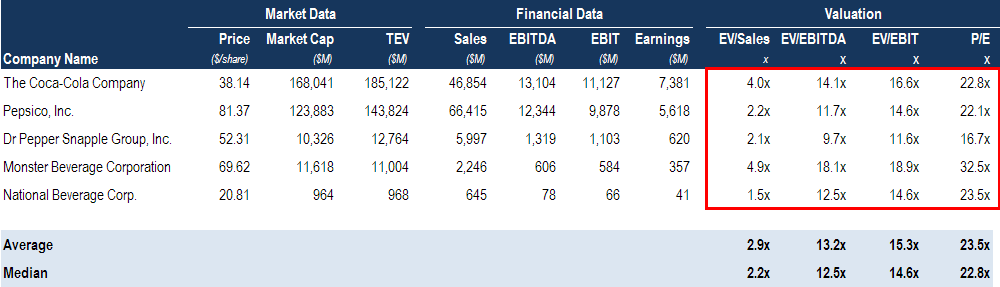
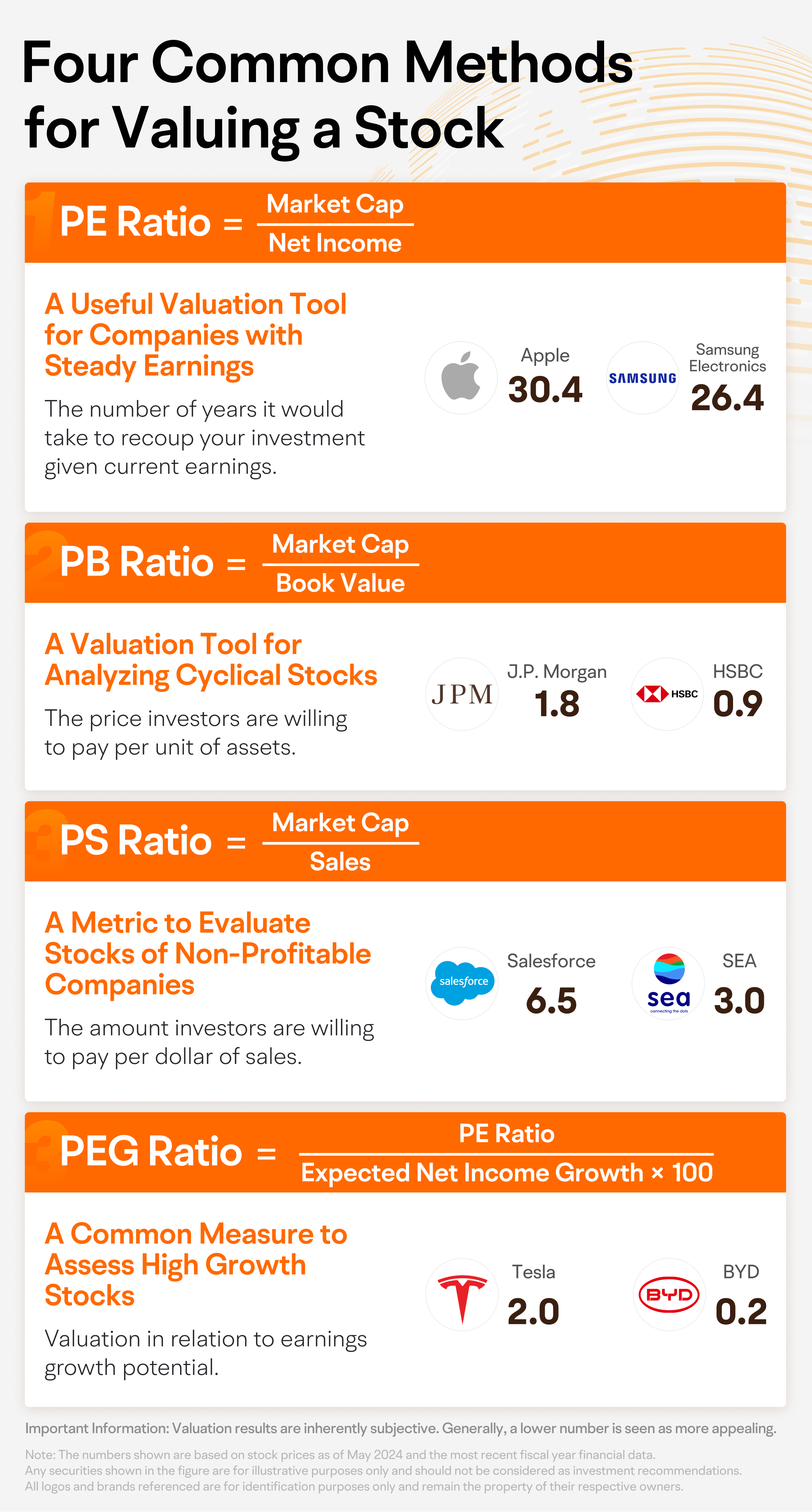
Common metrics used:
- P/E (Price to Earnings)
- EV/EBITDA
- P/B (Price to Book)
- Growth-adjusted multiples
You are not finding a “correct” value — you are checking pricing fairness.
Question: When should you use relative valuation?
What to look for:
Use relative valuation when companies operate in the same industry, face similar risks, and have comparable business models.
Avoid peer comparison across unrelated businesses.
The 4-Step Relative Valuation Framework (EquiDeck Method)
- Identify true peers
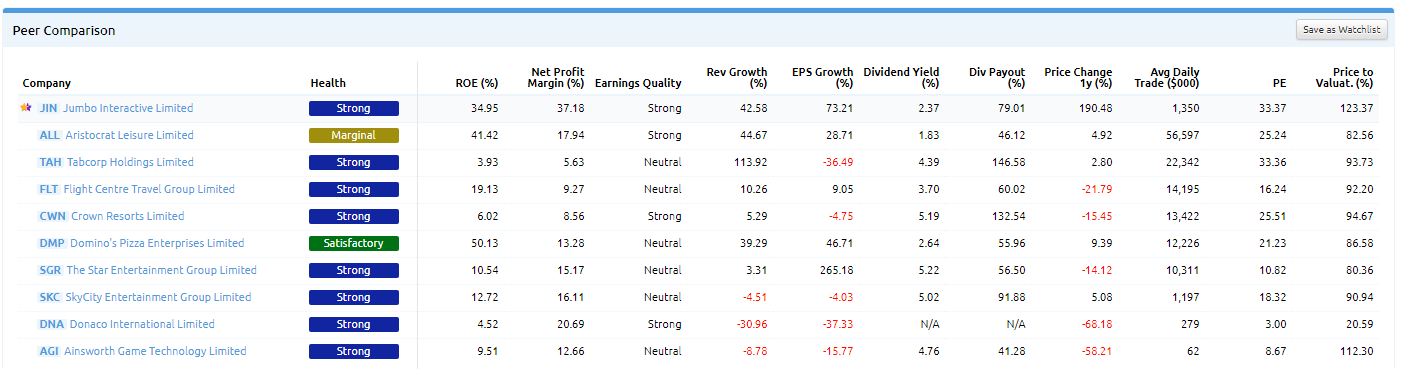
- Compare key valuation multiples
- Adjust for growth, margins, and risk
- Interpret why the difference exists
Let’s apply this step by step.
Example 1: US Market
NVIDIA vs Apple Inc.
Step 1: Are These True Peers?
Question:
Are NVIDIA and Apple direct competitors?
What to look for:
Check whether revenue drivers, risk profile, and growth patterns are similar.
Answer:
No — but they are often compared as large-cap tech leaders, making this a learning comparison, not a perfect peer match.
Step 2: Compare Valuation Multiples (Simplified)
| Company | P/E (Approx.) | Growth Profile |
|---|---|---|
| NVIDIA | ~30–35x | Very high growth |
| Apple | ~20–25x | Moderate, stable growth |
Step 3: Adjust for Growth & Risk
Question:
Why does NVIDIA trade at a higher P/E than Apple?
What to look for:
Compare future earnings growth expectations.
- NVIDIA is priced for rapid AI-driven growth
- Apple is priced for ecosystem stability and cash flows
Higher growth expectations justify higher valuation — only if growth continues.
Step 4: Interpretation
NVIDIA is not “expensive” just because its P/E is higher.
Apple is not “cheap” just because its P/E is lower.
Relative valuation tells you:
- NVIDIA = growth-sensitive valuation
- Apple = stability-sensitive valuation
Example 2: Indian Market (Auto Sector)
Tata Motors vs Mahindra & Mahindra
Step 1: Business Similarity Check
Question:
Do Tata Motors and Mahindra operate in the same segment?
What to look for:
Check product mix, geographic exposure, and cyclicality.
Answer:
Partially. Both are auto manufacturers, but:
- Tata Motors has JLR exposure (UK & global luxury)
- Mahindra is India-focused, especially SUVs & tractors
Step 2: Valuation Snapshot (Indicative)
| Company | P/E (Approx.) | Risk Profile |
|---|---|---|
| Tata Motors | Lower / volatile | Global cyclic + leverage |
| Mahindra | Higher | Domestic + stable |
Step 3: Adjust for Risk
Question:
Why does Mahindra often trade at a higher multiple?
What to look for:
Check earnings stability and balance sheet strength.
- Mahindra has steadier domestic demand
- Tata Motors is exposed to global cycles via JLR
Higher stability often earns valuation premium.
Step 4: Interpretation
Lower valuation does not always mean undervaluation.
It may simply reflect higher uncertainty.
Relative valuation helps you price risk, not just earnings.
Example 3: Indian IT Services
Tech Mahindra vs Tata Consultancy Services
Step 1: Are They True Peers?
Question:
Do both companies operate in the same industry?
What to look for:
Compare service offerings, client profile, and execution scale.
Answer:
Yes — both are IT services companies, but:
- TCS = diversified, large-scale, stable
- Tech Mahindra = telecom-heavy, more cyclical
Step 2: Valuation Comparison (Indicative)
| Company | P/E (Approx.) | Margin Stability |
|---|---|---|
| TCS | Higher | Very stable |
| Tech Mahindra | Lower | Volatile |
Step 3: Understand the Difference
Question:
Why does TCS command a valuation premium?
What to look for:
Check margins, cash flow consistency, and client diversification.
- TCS delivers predictable earnings
- Tech Mahindra faces segment-specific volatility
Markets reward consistency and governance.
Step 4: Interpretation
TCS’s higher valuation reflects lower business risk, not hype.
Tech Mahindra’s lower valuation reflects execution and segment risk, not necessarily poor quality.
Common Relative Valuation Mistakes
❌ Mistake 1: Lowest P/E = Best Buy
What to look for instead:
Understand why the P/E is low — risk, cyclicality, or declining business.
❌ Mistake 2: Comparing Unlike Companies
What to look for instead:
Ensure peers have similar business models and revenue drivers.
❌ Mistake 3: Ignoring Growth & Margins
What to look for instead:
Higher growth and margins usually justify higher multiples.
A Simple Relative Valuation Mental Model
Markets don’t price numbers.
They price expectations, risk, and consistency.
Relative valuation helps you decode those expectations.
How to Use Relative Valuation Practically
- Use it as a sanity check
- Combine with business quality analysis
- Pair with absolute valuation (DCF)
- Never use it alone to buy or sell
Relative valuation answers “Compared to what?”
Absolute valuation answers “Compared to cash reality?”
You need both.
Final Thoughts: Relative Valuation Is Context, Not Conclusion
Relative valuation does not tell you what will happen.
It tells you how the market is currently thinking.
Smart investors use it to:
- Avoid extreme optimism
- Avoid unnecessary pessimism
- Choose between similar opportunities


0 Comments